
An online shop started from zero: the brand, the sales page, and orders that record themselves.
The company was only just entering the market: no brand name, no domain, no website. We built the brand, the sales page for the first product, and everything that happens after someone presses “Order”.
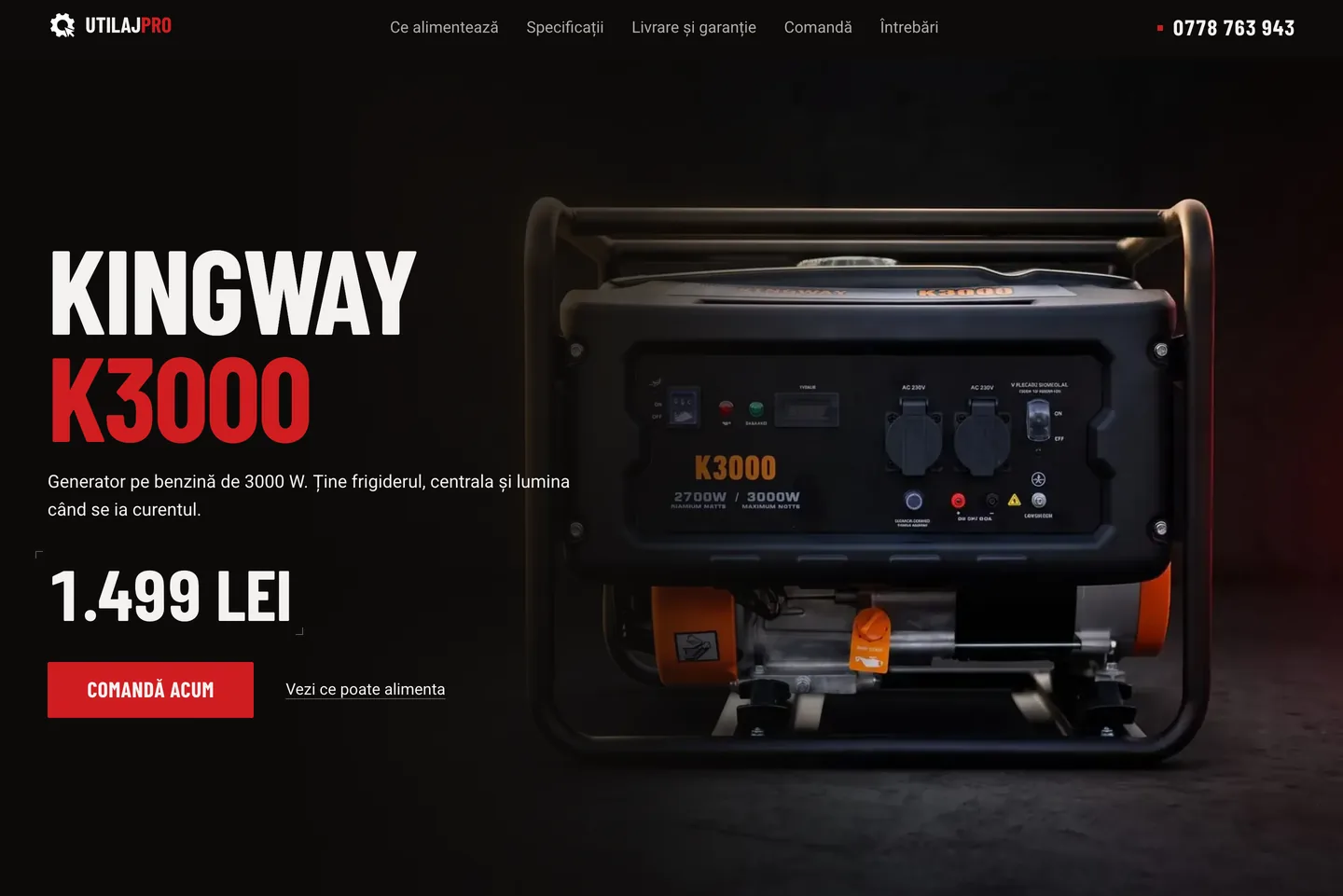
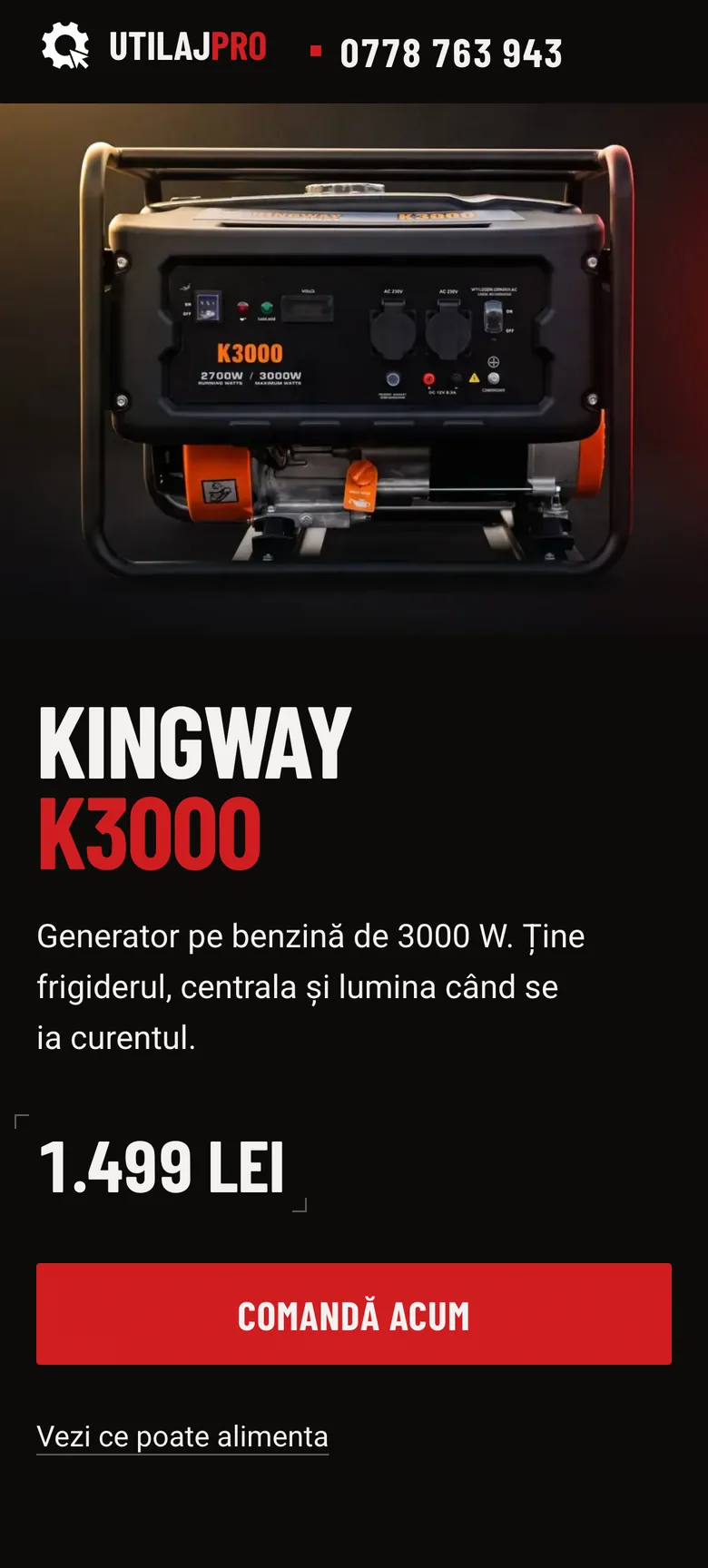
The brand, the sales page, and everything that follows it
- 01
The brand
A logo, a symbol and a 27-page identity manual. The brand belongs to the client, sources included.
- 02
The sales page
One product, one decision: real photographs, honest specifications, the order from the same screen.
- 03
Order and payment
Cash on delivery or by card, through BT iPay. It is in use: the real orders come through it.
- 04
What runs on its own
The order lands in the order sheet, the owner gets a Telegram message, the customer gets the confirmation by e-mail.
From the name to the identity manual
The company had no brand name, no symbol and no domain. We started from what it sells — machinery, online — and ended with a manual anyone can follow.
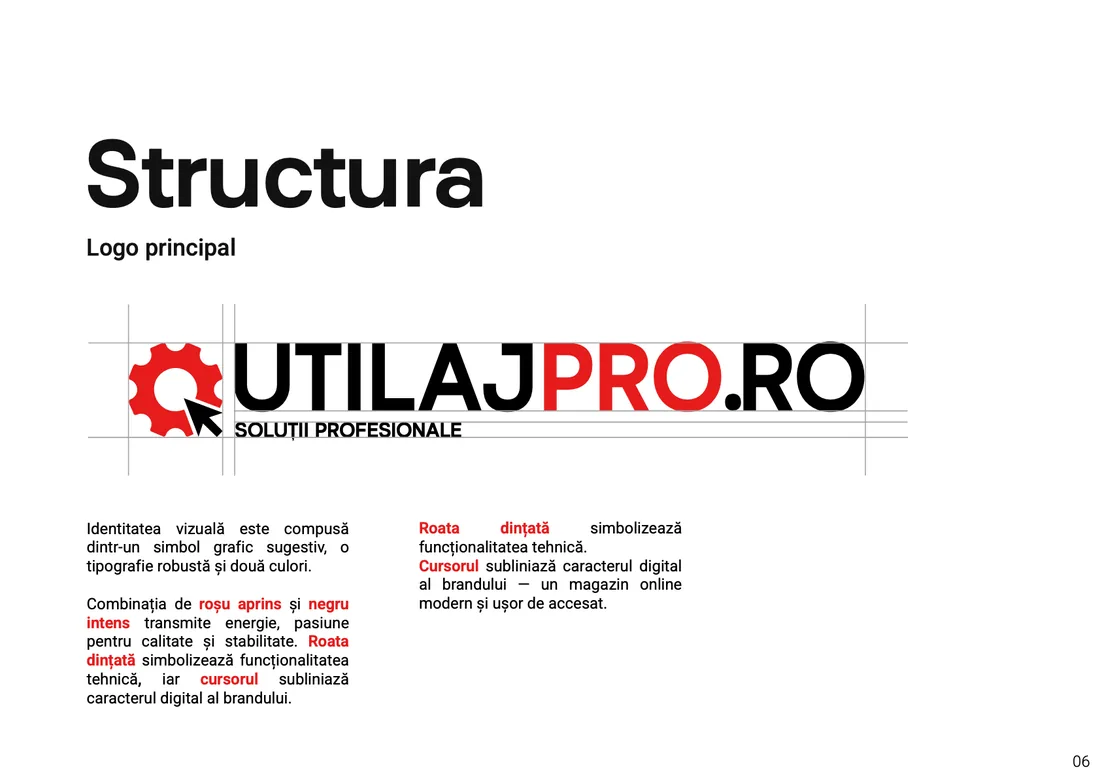
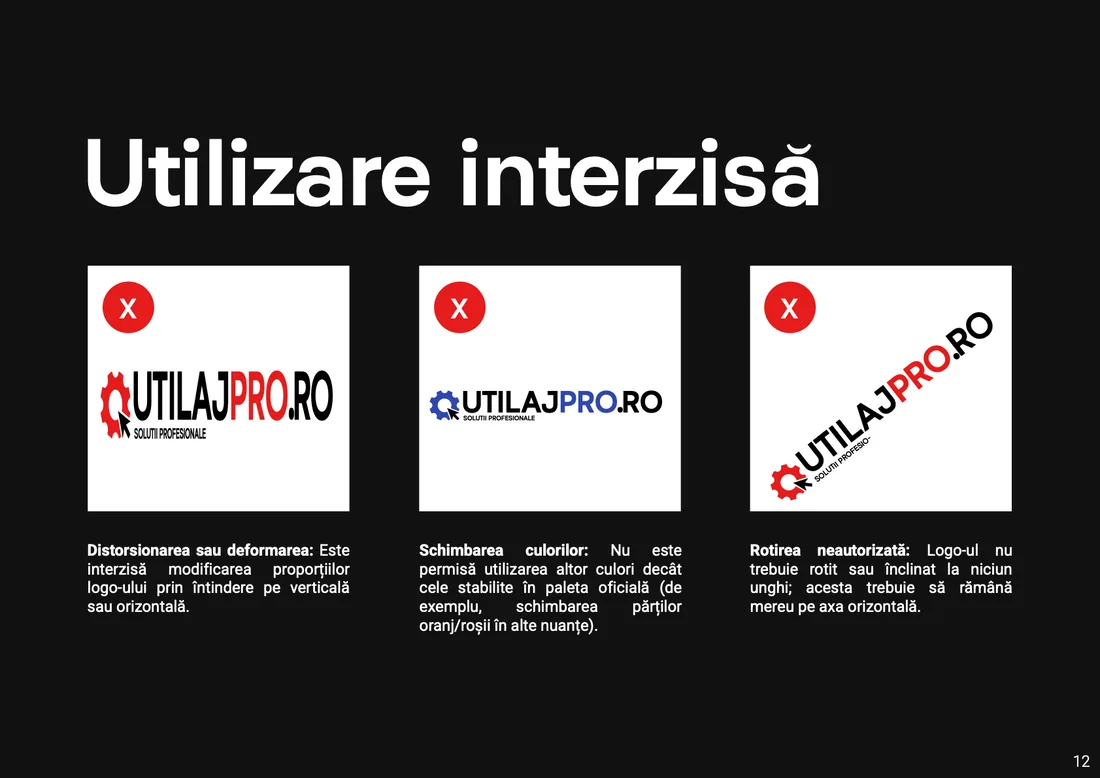
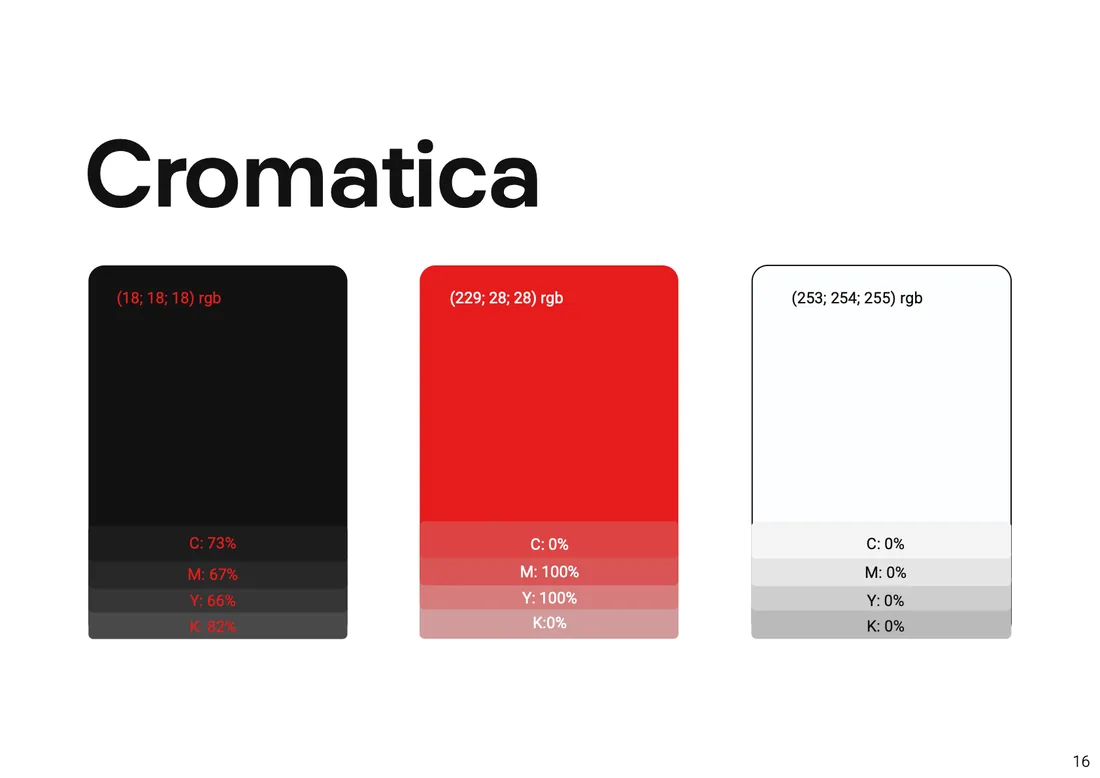
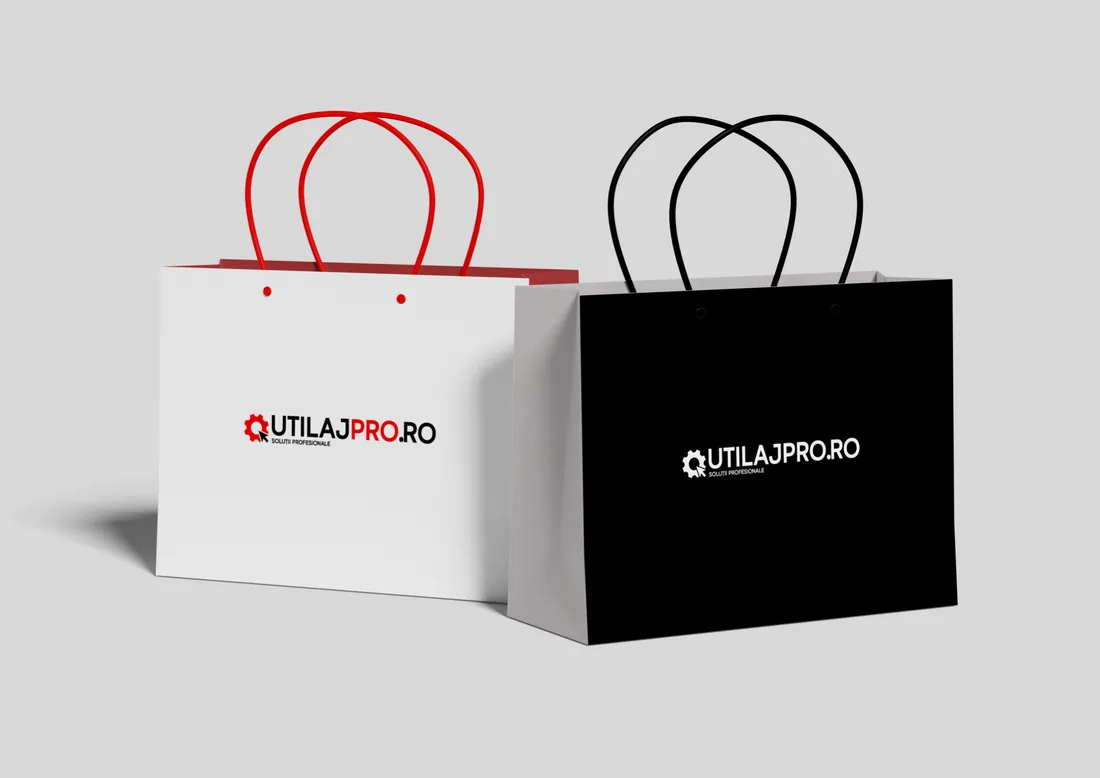
Four pages from the manual: the structure of the mark, the forbidden uses, the palette and one of the mockups.
A cog and a cursor
Machinery and an online shop, in a single mark. It had to stay legible at 32 pixels, as an icon — that is where the drawing started.
Red and black, not pastel
The client asked for power and trust, not a lifestyle brand. The palette has three colours, each with its screen code and its print code.
The brand was handed over with a manual, not a single file
Clear space, minimum size, forbidden uses, typefaces, mockups — everything the mark needs to look the same wherever it ends up.
A page built to sell one thing
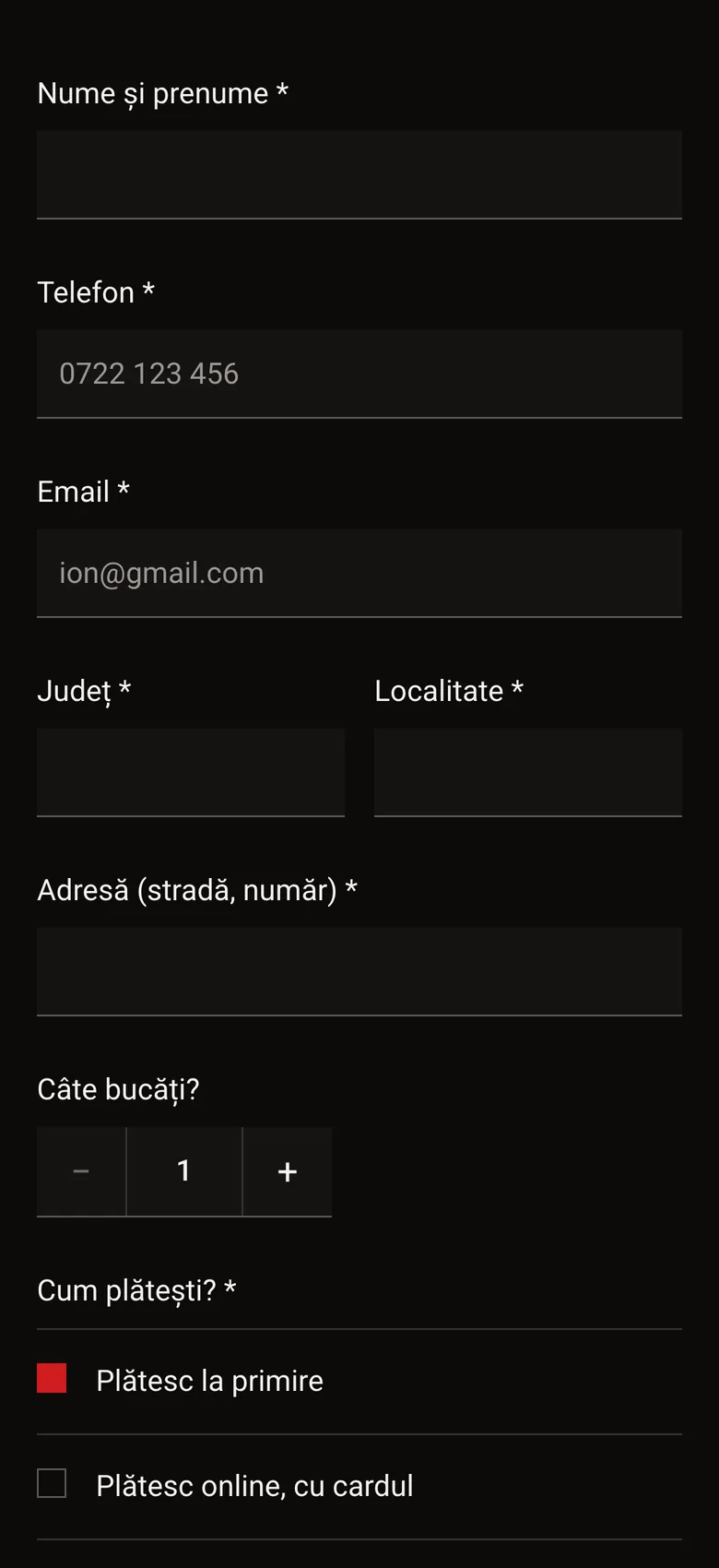
One product, one decision: you look at the photographs, read the specifications and order without leaving the page.
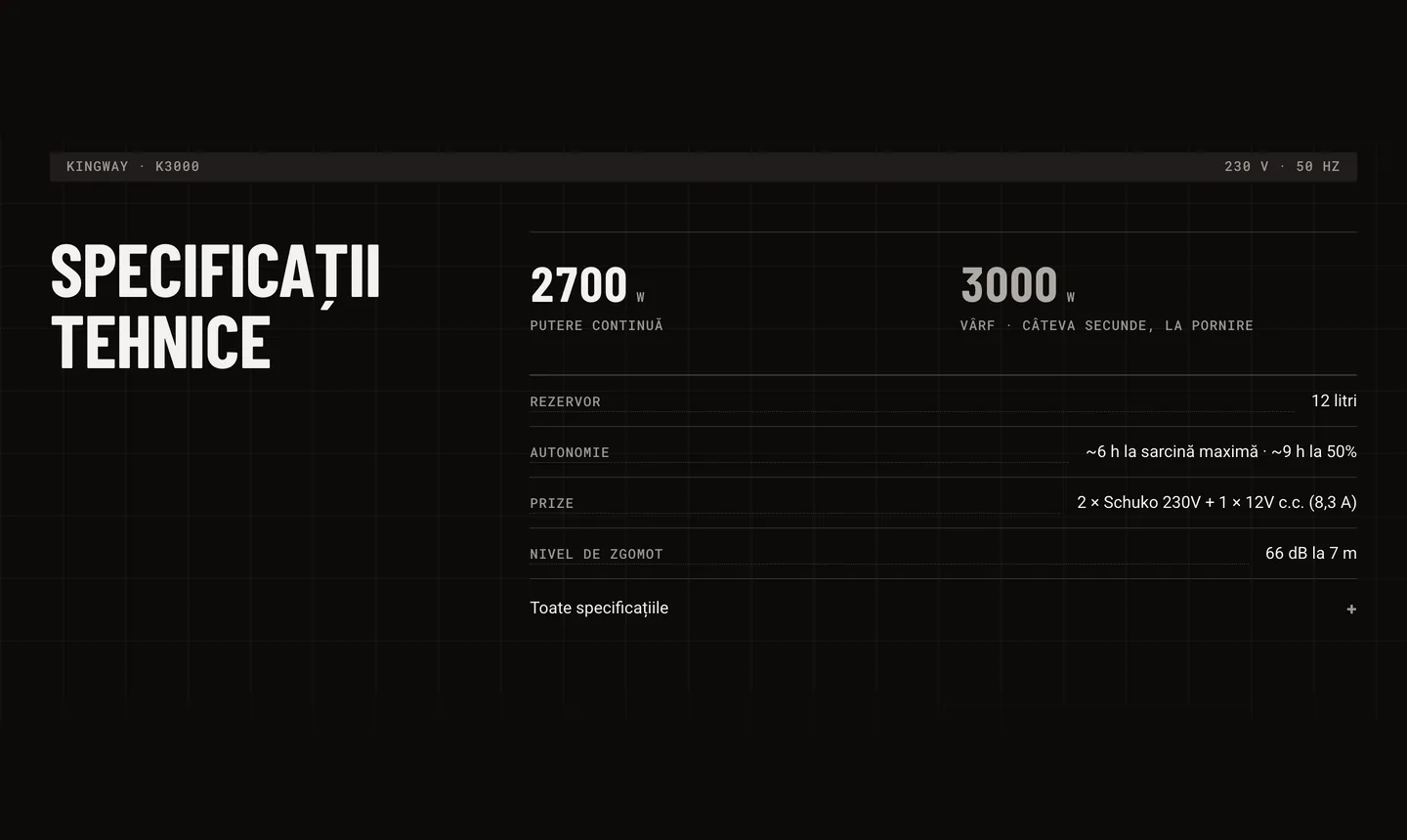
Peak power and continuous power, kept apart
3000 W on start-up, 2700 W in use. Written separately, because the transparency here is what prevents complaints and returns.
Cash on delivery, up front
A new brand and a company with no history: people pay when they see the parcel. The card stays an option, not a condition.
No invented discounts
The first version, ours too, carried “−50% from 3,000 lei”. We removed it: a reference price that never existed is easy to check, and it costs you trust.
What happens after “Order”
When the bank does not answer, the customer does not see “payment failed”
The order goes to manual checking. Someone who paid correctly should not be frightened by a failure that never happened.
A phone number is accepted in any format
+40, 0040 or 07… — all of them pass. The old rule accepted one format and blocked real customers.
A stuck service does not hold the customer up
Every call to an outside service gets eight seconds. The confirmation e-mail leaves after the person already has their answer.
Advertising measures only after consent
The marketing pixels start only once the visitor has accepted. Until then the page sends nothing anywhere.
In your business, what happens after a customer presses “Order”?
If the answer is “somebody sees the e-mail and copies the details into a file”, the free audit looks at where your orders come in today and what is still done by hand.
✓ Free audit · The plan has a fixed price — if it does not convince you, you do not pay for it · We call you within one working day.
- Client
- UtilajPro (HYPERA S.R.L.)
- Period
- March–September 2026
- Modules
- Branding, Websites & landing pages, Automation
- Built with
- Next.js, BT iPay, Google Sheets, Telegram
- Next
- instalments via STAR BT
- Site
- utilajpro.ro